
Motion control & actuation
Match load, speed and duty cycle across motors, drives, reducers and position feedback.
Typical purchasing teams
Teams developing robot joints, grippers, gimbals or small automation mechanisms, from controls engineers to mechanical and embedded leads.
Prepare the supplier brief
Provide the load case, inertia, speed profile, continuous and peak torque, duty cycle, available bus voltage, envelope, allowable backlash and safety / braking requirements.
Motor / integrated actuator
What should you compare?
Distinguish frameless motors from complete actuators. Compare continuous torque under stated cooling, winding voltage, speed, rotor inertia and encoder / drive inclusion.
What gets missed in a quote?
Ask about winding revision, feedback sensors, brake, bearing arrangement, drive board, firmware access and thermal test conditions.
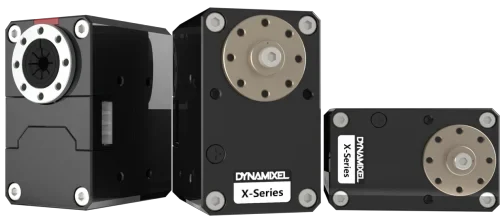
XM430-W350-R
Specification source checked 2026-11-07
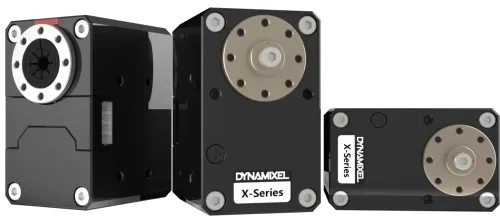
XM430-W350-T
Specification source checked 2026-11-07
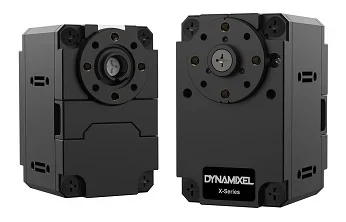
XL430-W250-T
Specification source checked 2026-11-07
KMF-095BL · 48 V DC
Specification source checked 2026-11-07
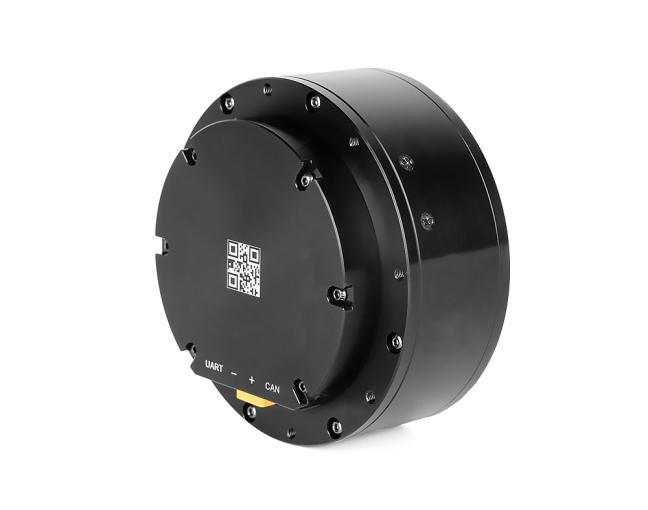
AK70-10 KV100
Specification source checked 2026-11-06
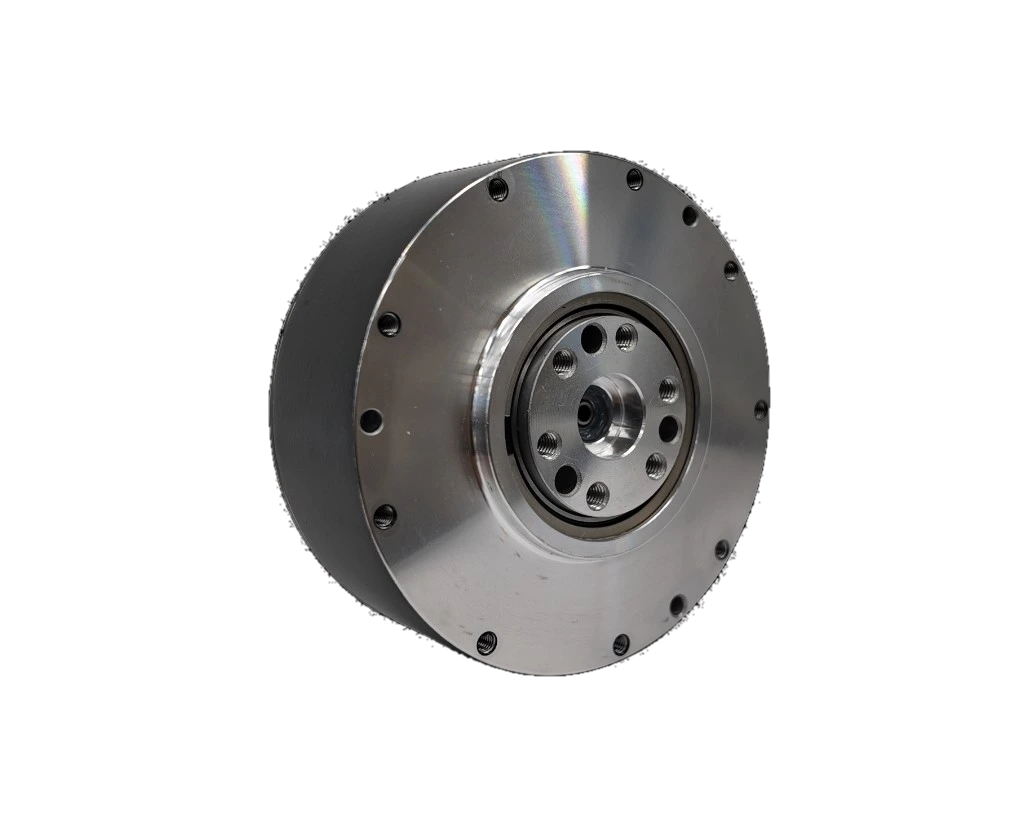
RobStride 02
Specification source checked 2026-11-07
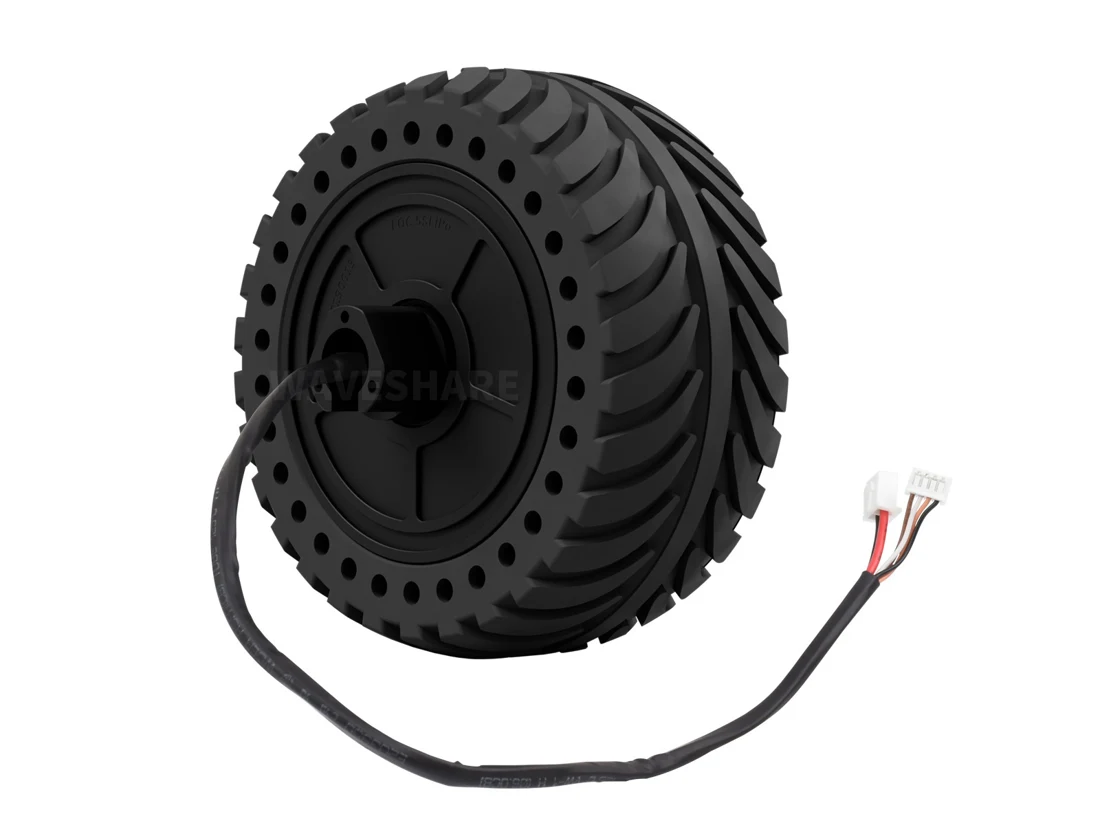
DDSM115 · SKU 23489
Specification source checked 2026-11-07
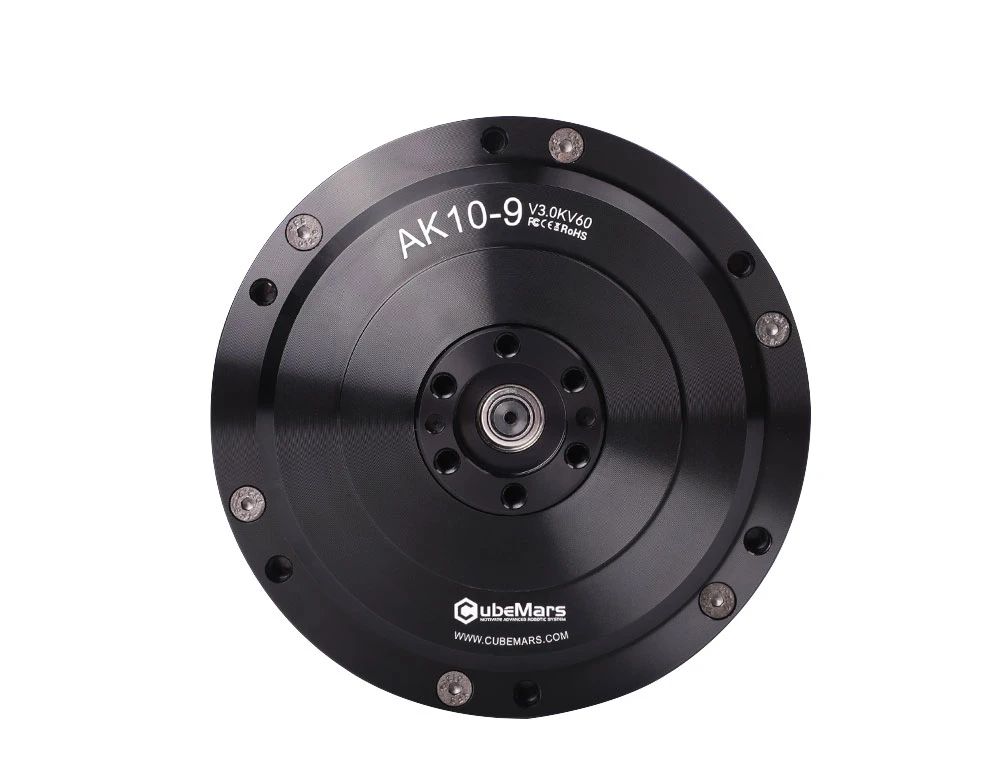
AK10-9 V3.0 KV60
Specification source checked 2026-11-08
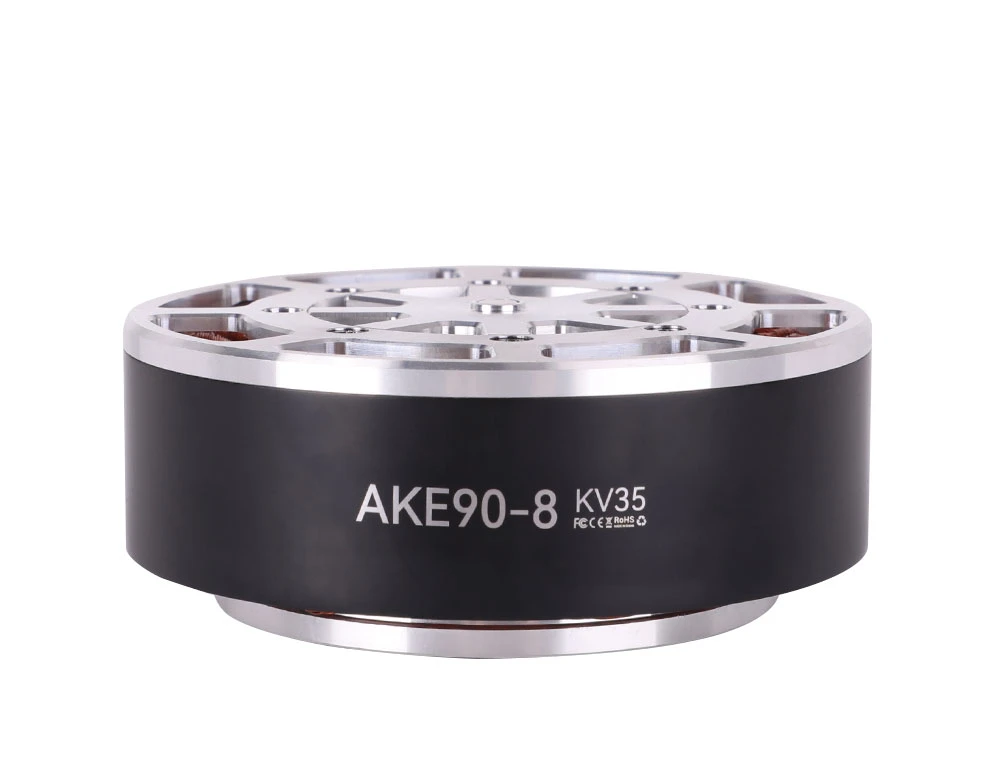
AKE90-8 KV35
Specification source checked 2026-11-08
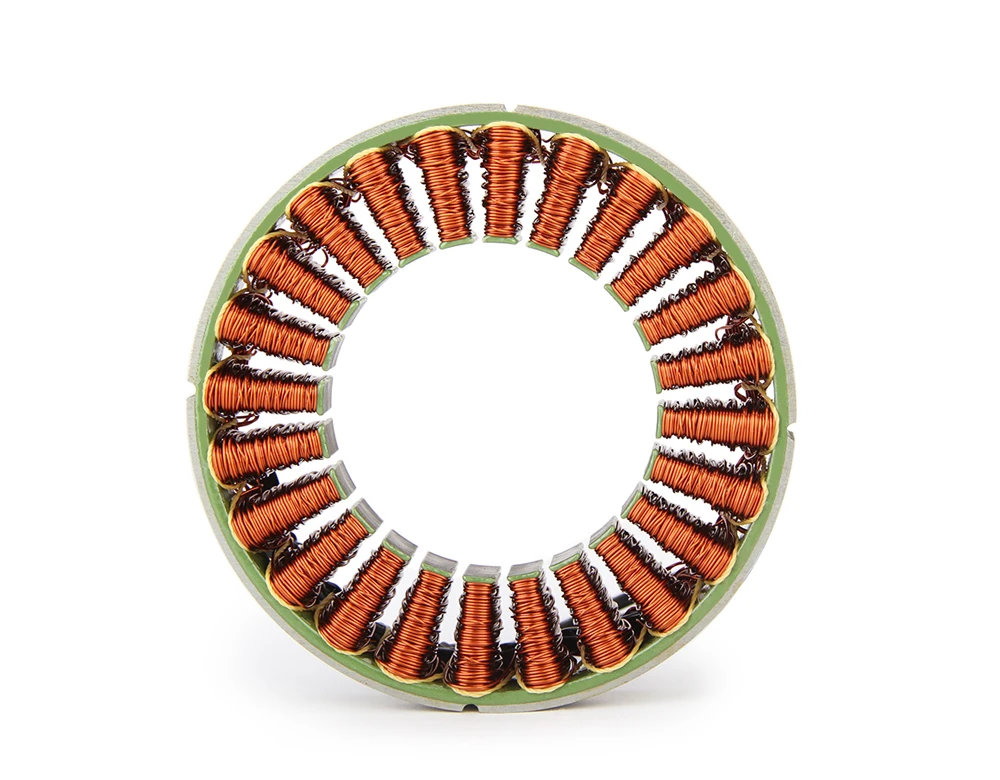
RI100 KV105 · Hall option to confirm
Specification source checked 2026-11-08
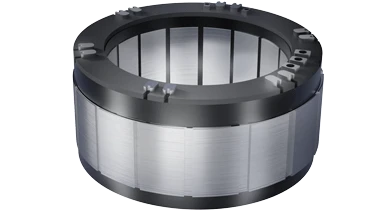
FM2-04308KTN376
Specification source checked 2026-11-08
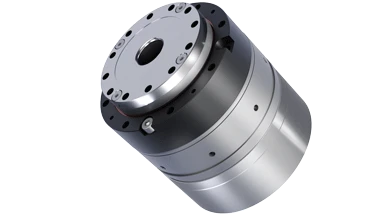
HJ2-52H101D24-NK-EC
Specification source checked 2026-11-08
Drive / motor-control board
What should you compare?
Motor Driver HAT is a 6–12 V brushed-DC prototype board. DDSM Driver HAT (A) is a host bridge for supported DDSM motors with integrated drives. Neither is a general drive for the listed 48 V frameless motors. ODrive S1 is a separate single-axis brushless FOC drive: check cooling, feedback and regenerative energy. Match motor type, voltage, current, feedback and control bus.
What gets missed in a quote?
Confirm sustained output current with cooling, motor connectors, protection functions, firmware examples and whether a host board is included.
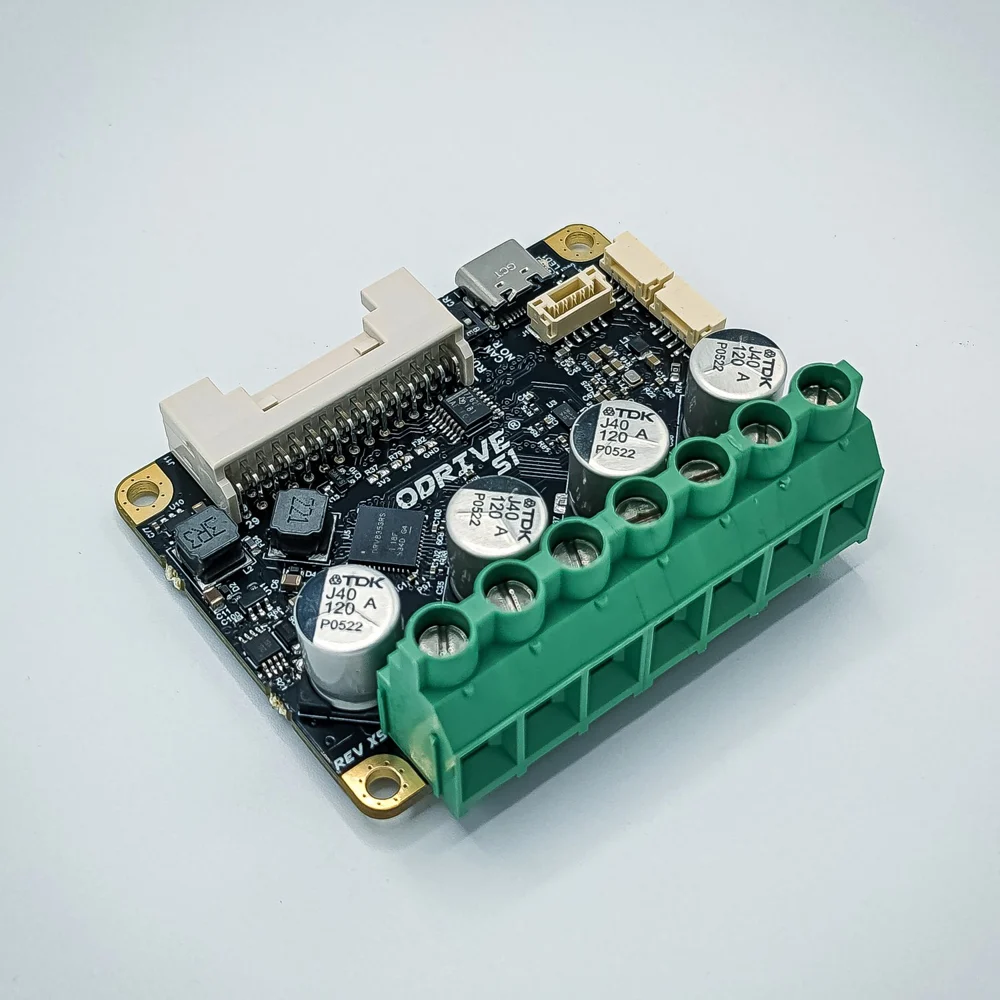
S1
Specification source checked 2026-11-07
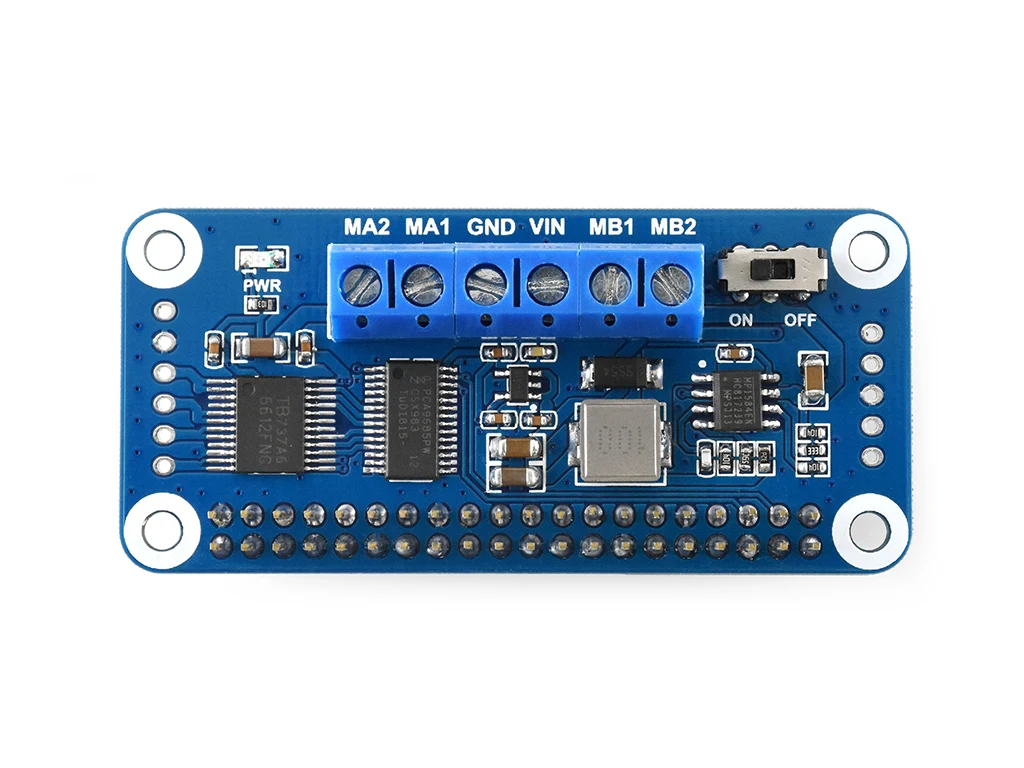
Motor Driver HAT · SKU 15364
Specification source checked 2026-11-07
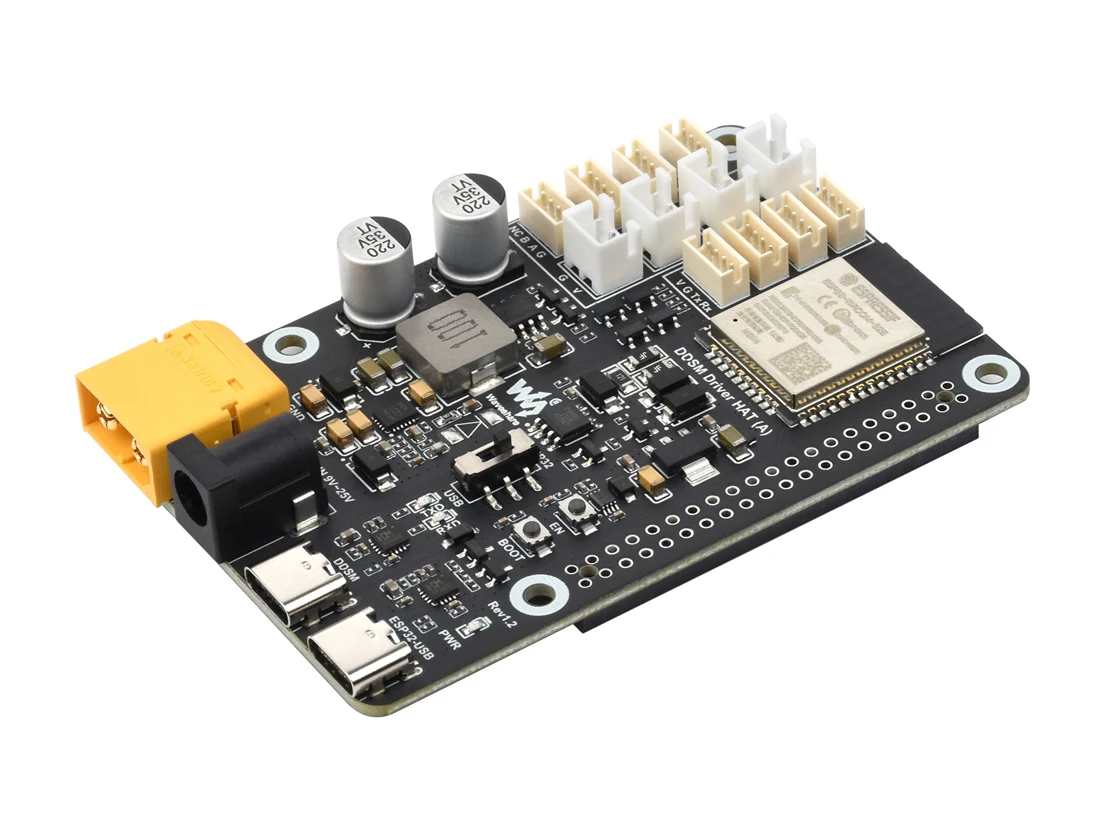
DDSM Driver HAT (A) · SKU 27806
Specification source checked 2026-11-07
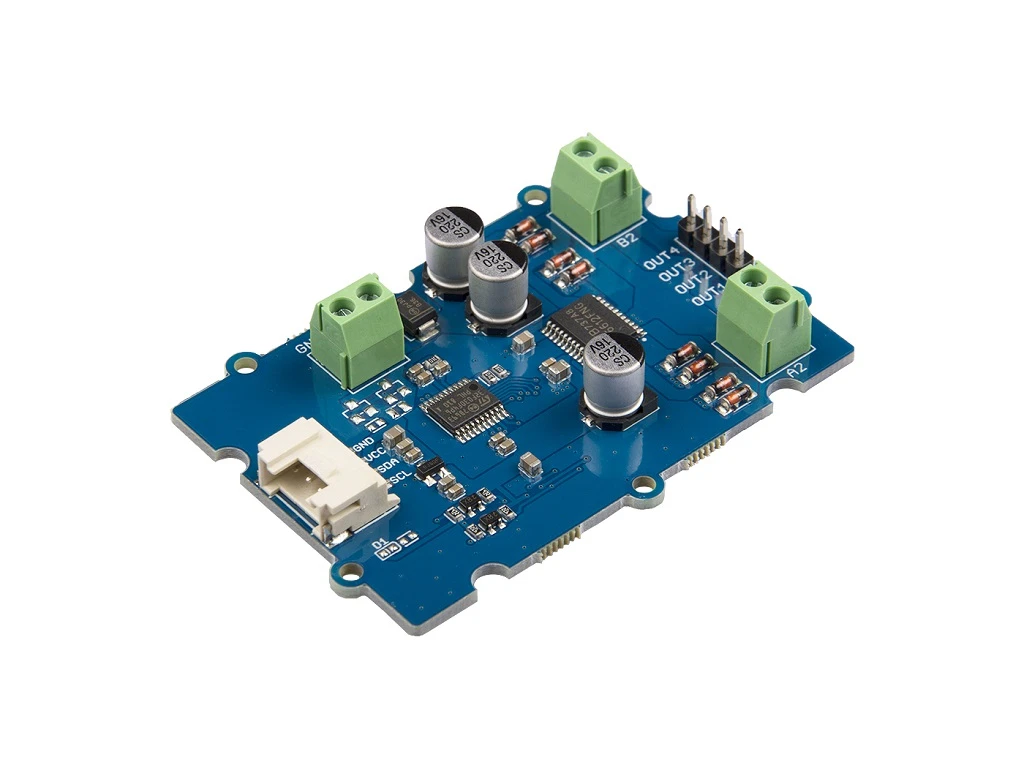
Grove I2C Motor Driver · TB6612FNG · 108020103
Specification source checked 2026-11-07
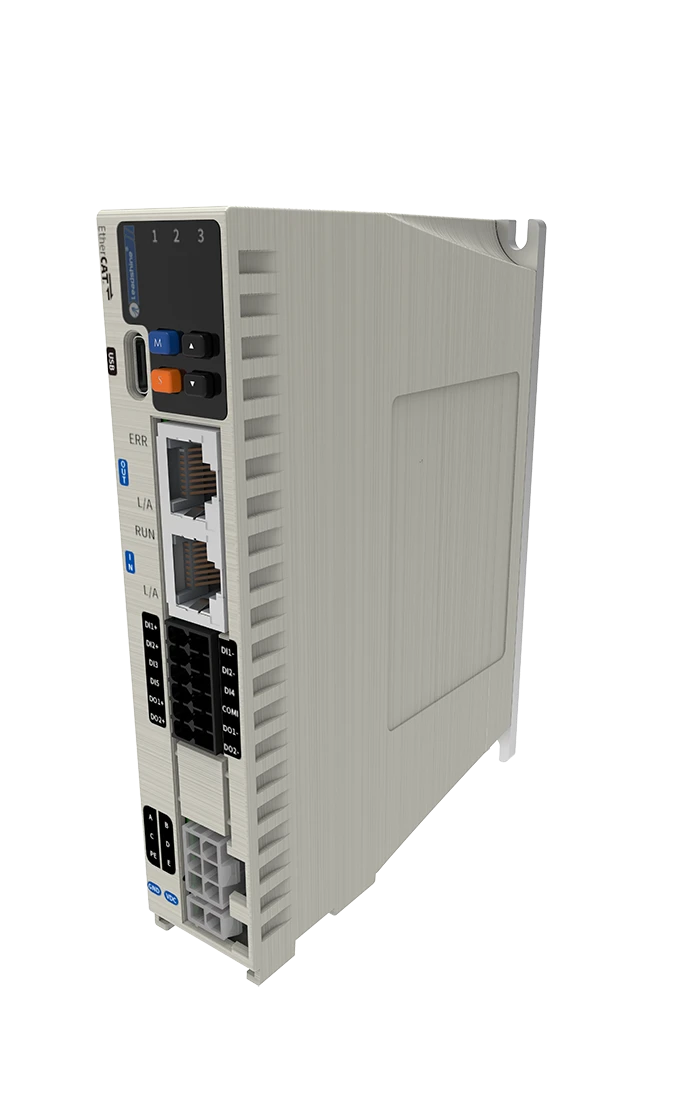
DM5-EC522
Specification source checked 2026-11-08
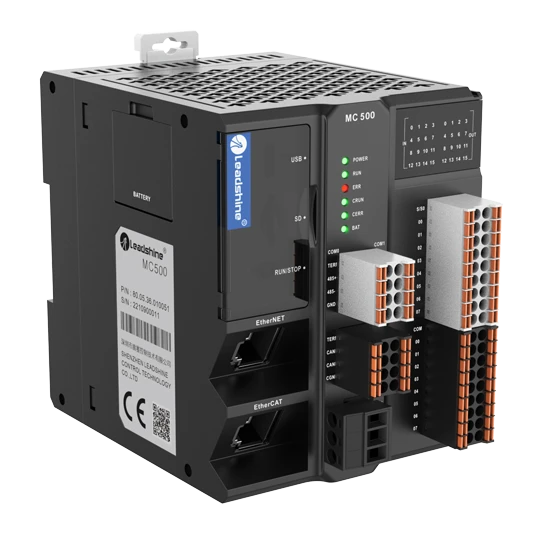
MC508CS
Specification source checked 2026-11-08
Reducer
What should you compare?
Compare ratio, rated / start-stop / momentary torque as separate limits, backlash, lost motion, input support, lubrication and mechanical life conditions.
What gets missed in a quote?
Specify full ordering code, input coupling, bearings, output flange, seals, lubrication and inspection report. A frame / ratio entry is not a complete order code.
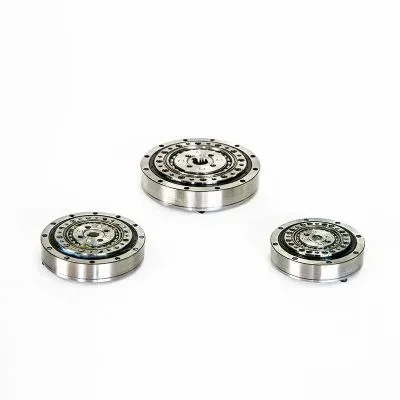
LHD · frame 20 / ratio 100
Specification source checked 2026-11-07
LCS-mini · frame 5 / ratio 100
Specification source checked 2026-11-07
Encoder / angle-sensor IC & board
What should you compare?
MT6701 is an angle-sensor IC, not a complete sealed shaft encoder. Compare absolute resolution, interface mode, magnet geometry, installation tolerance, latency and calibration.
What gets missed in a quote?
Ask about package / order suffix, programming, magnets, PCB assembly, calibration and sample test fixtures.
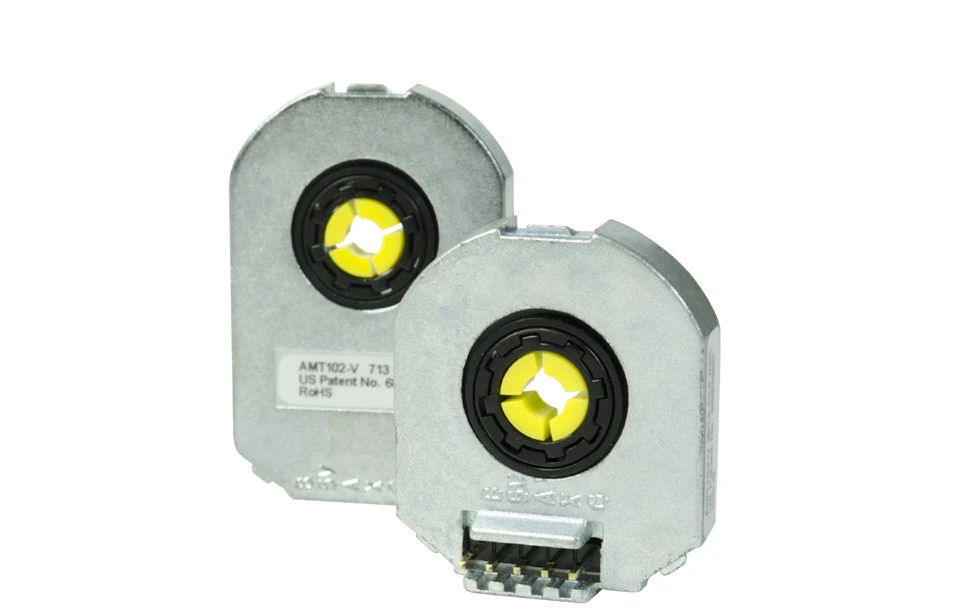
AMT102-V
Specification source checked 2026-11-07
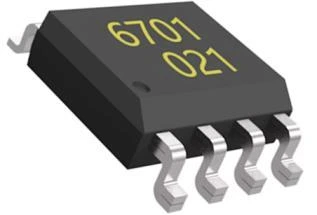
MT6701 · Rev.1.8 reference
Specification source checked 2026-11-07
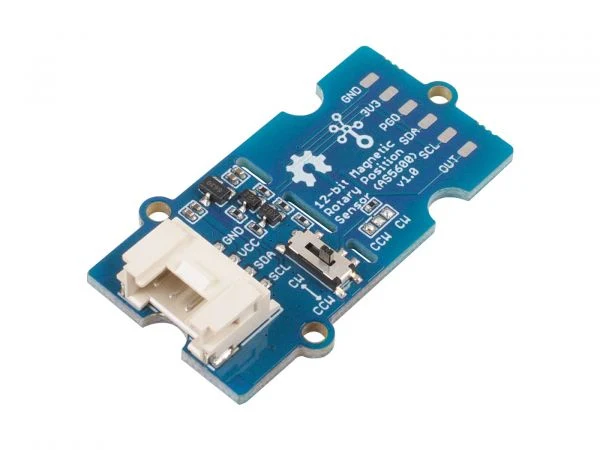
Grove AS5600 · SKU 101020692
Specification source checked 2026-11-07
Linear actuation
What should you compare?
Separate short-stroke voice-coil stages, guided electric cylinders and humanoid linear joints. Compare thrust, speed, lead and stroke for one configuration, with duty cycle and cooling conditions.
What gets missed in a quote?
Confirm the full ordering suffix, driver, encoder, force-sensor calibration, brake, fixtures, cable and continuous thermal rating.
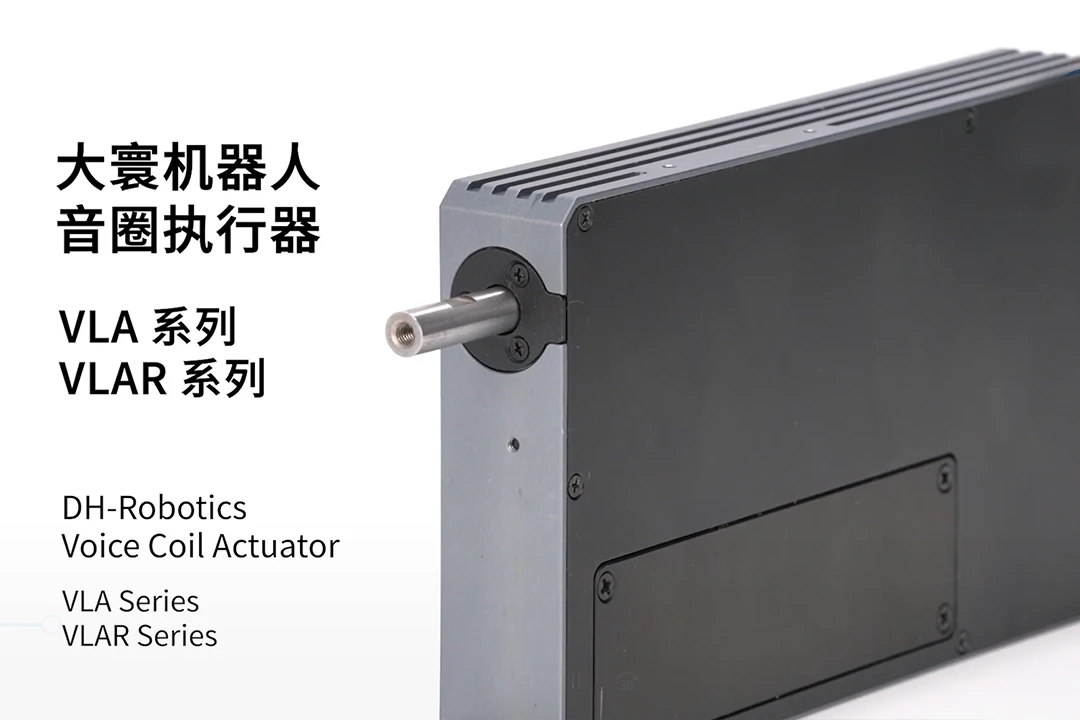
VLA-16-15 · magnetic encoder
Specification source checked 2026-11-08
VLA-25-25 · magnetic encoder
Specification source checked 2026-11-08
MCEA-3G · 30 mm stroke / 1 mm lead
Specification source checked 2026-11-08
MCEA-4G · 75 mm stroke / 5 mm lead
Specification source checked 2026-11-08
HJL08
Specification source checked 2026-11-08
HJL12
Specification source checked 2026-11-08
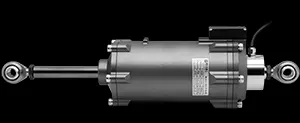
HJL15
Specification source checked 2026-11-08
Joint torque sensing
What should you compare?
Select the exact range, flange and sensor configuration. Compare calibration, cross-axis coupling, bandwidth and overload conditions; a sensor interface does not establish closed-loop robot control.
What gets missed in a quote?
Request the complete order code, calibrated range, calibration certificate, signal conditioning, cable, protocol and developer documentation.
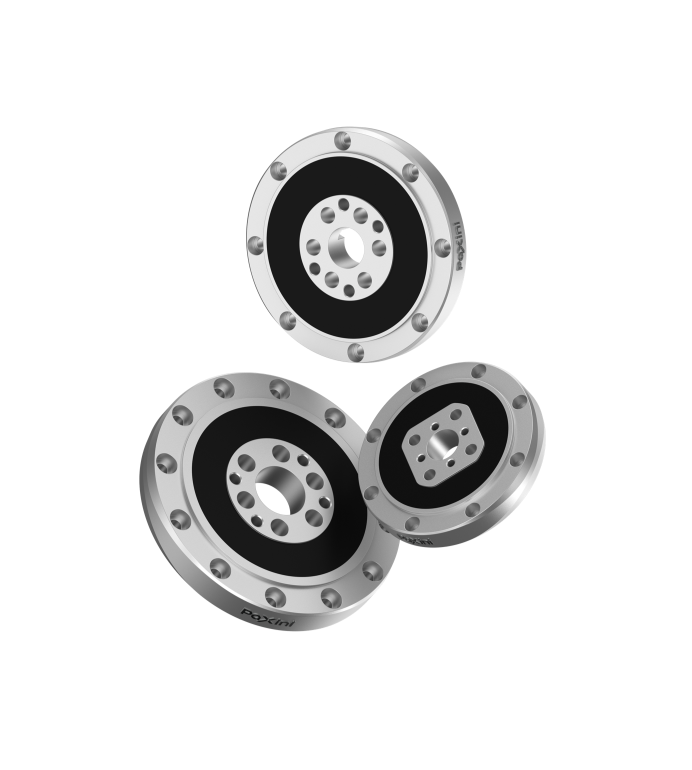
PX3Q
Specification source checked 2026-11-08
How should samples be accepted?
- Validate the complete motor-drive-feedback chain with a current limit and load profile agreed by the responsible engineer.
- Record thermal rise, continuous-duty torque, backlash and stop behavior. These references are independent options, not a prevalidated bill of materials.
These are procurement verification questions. Validate performance under your conditions and confirm MOQ, project pricing and lead time in writing.